

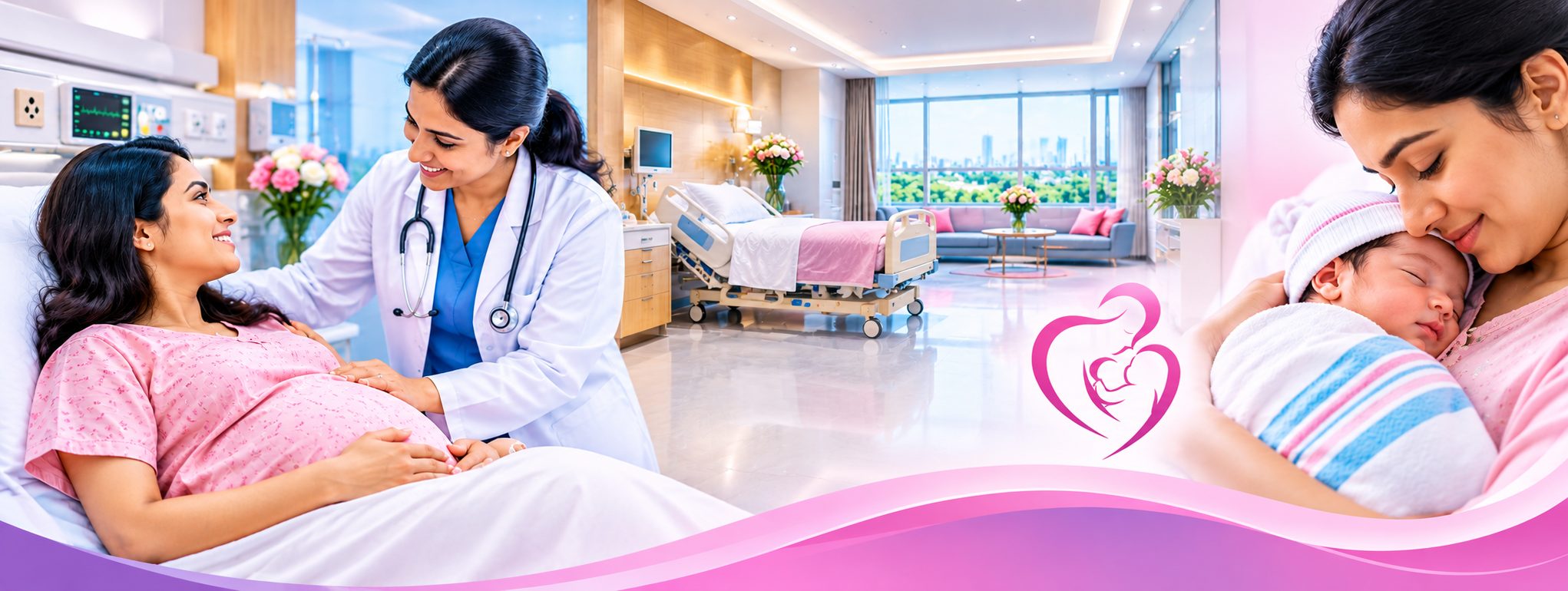
Women's Wellness Clinic in Moosapet, Hyderabad

Angel Wings Hospital provides a healthcare setting for women seeking guidance on preventive healthcare, reproductive health, menstrual concerns, hormonal changes, and overall well-being through a women's wellness clinic in Moosapet, Hyderabad. Women's health needs change throughout life, from adolescence and reproductive years to pregnancy, perimenopause, and postmenopause. Regular consultations can help women understand their health, identify potential concerns, and make informed decisions about appropriate medical care.
A women's wellness clinic focuses on more than treating illness. It can support preventive health assessments, menstrual health management, contraception counselling, cervical cancer screening guidance, breast health awareness, and menopause care, depending on the services available. The purpose is to provide clear information, appropriate clinical evaluation, and individualized care based on age, symptoms, medical history, and personal health goals.
Women experiencing irregular periods, pelvic discomfort, unusual discharge, hormonal symptoms, or changes associated with menopause may benefit from a professional consultation. Women without symptoms can also discuss preventive screening and healthy lifestyle habits. Timely medical guidance can help address concerns before they interfere with daily activities and overall quality of life.
What Is a Women's Wellness Clinic?
A women's wellness clinic is a healthcare service that addresses women's physical, reproductive, hormonal, and preventive health needs at different stages of life. Depending on the provider's facilities and clinical services, consultations may include health assessments, gynecological examinations, screening guidance, diagnosis of common conditions, treatment planning, and follow-up care.
The exact services required differ from one woman to another. A teenager seeking advice about menstrual cycles may need different care from a woman planning a pregnancy or someone experiencing menopausal symptoms.
Why Is Women's Wellness Care Important?
Women's wellness care helps patients understand their health and recognize when professional evaluation is needed. It can also support informed decisions about screening, contraception, reproductive planning, and long-term health.
Important aspects include:
- Preventive healthcare: Reviewing health risks and discussing appropriate screening.
- Menstrual health: Assessing irregular periods, painful menstruation, or unusually heavy bleeding.
- Reproductive health: Providing guidance about contraception, fertility concerns, and pregnancy planning.
- Hormonal health: Evaluating symptoms associated with conditions such as polycystic ovary syndrome (PCOS) and menopause.
- Breast health awareness: Explaining breast changes and recommending appropriate assessment or screening.
- Cervical health: Discussing cervical cancer screening according to age, history, and applicable guidelines.
- Healthy ageing: Supporting bone health, cardiovascular health, and menopause-related concerns.
Women's wellness care is individualized and should be based on clinical need rather than a fixed set of tests for every patient.
Common Women's Health Symptoms That Need Attention
Many women's health symptoms are caused by manageable conditions. However, persistent, severe, or unexplained symptoms should be evaluated by a qualified healthcare professional.
1. Irregular or Painful Periods
Menstrual cycles can vary, especially during adolescence and the transition to menopause. However, persistent irregular periods, severe menstrual pain, or changes in bleeding patterns may be associated with hormonal conditions, fibroids, endometriosis, or other gynecological concerns.
A clinical assessment can help identify the cause and determine whether treatment is required.
2. Heavy Menstrual Bleeding
Periods that are unusually heavy, last longer than expected, or interfere with daily activities may require medical evaluation. Heavy bleeding can sometimes lead to iron deficiency or anaemia.
Treatment depends on the underlying cause and may include medication, further investigations, or a procedure in selected cases.
3. Pelvic Pain or Lower Abdominal Discomfort
Pelvic pain can occur because of menstrual cramps, ovarian cysts, endometriosis, infections, urinary problems, or other conditions.
Sudden, severe pelvic pain, particularly with fainting, fever, vomiting, or possible pregnancy, requires urgent medical assessment.
4. Unusual Vaginal Discharge or Itching
Changes in vaginal discharge, persistent itching, irritation, or an unpleasant odour may indicate an infection or another condition. Symptoms should be evaluated rather than treated repeatedly without knowing the cause.
5. Hormonal Changes and PCOS Symptoms
Some women experience irregular periods, acne, increased facial hair, or difficulty managing weight. These symptoms can have different causes, including PCOS and other hormonal conditions.
A clinician may recommend an assessment based on menstrual history, symptoms, examination findings, and targeted investigations.
6. Breast Changes
A new breast lump, nipple discharge, skin dimpling, or an unexplained change in breast shape should be assessed promptly. Many breast changes are benign, but examination and appropriate imaging may be necessary.
7. Menopause-Related Symptoms
Hot flashes, night sweats, sleep disruption, vaginal dryness, and mood changes may occur during the menopause transition. A healthcare professional can discuss symptom management and appropriate preventive health measures.
8. Fertility or Pregnancy-Planning Concerns
Women who are planning a pregnancy or experiencing difficulty conceiving may benefit from preconception counselling or fertility evaluation. The appropriate assessment depends on age, medical history, and how long pregnancy has been attempted.
Women's Wellness Diagnosis and Health Assessment
A women's wellness consultation begins with understanding the patient's concerns and health history. Not every patient requires a physical examination or laboratory testing.
Medical History and Lifestyle Review
The healthcare professional may ask about menstrual cycles, previous pregnancies, contraception, medications, existing medical conditions, family history, diet, physical activity, sleep, and relevant lifestyle factors.
This information helps identify health risks and determine which assessments may be useful.
Physical and Gynecological Examination
A physical examination may be recommended when symptoms or clinical findings indicate a need. A pelvic examination is not automatically necessary at every wellness visit.
The clinician should explain the purpose of any examination, obtain informed consent, and respect the patient's comfort and privacy.
Laboratory Investigations
Depending on the patient's needs, testing may include a complete blood count for suspected anaemia, blood glucose testing, thyroid function tests, or other targeted investigations.
Hormone tests are appropriate in selected situations, but broad hormone testing is not necessary for every woman.
Ultrasound and Other Diagnostic Tests
Pelvic ultrasound may be recommended to investigate certain menstrual problems, pelvic pain, ovarian cysts, or suspected uterine conditions.
Other tests may include cervical screening, infection testing, or breast imaging when indicated. The choice depends on symptoms, age, risk factors, and current clinical recommendations.
Preventive Screening Assessment
Preventive care may include discussion of cervical cancer screening, breast cancer screening, blood pressure, diabetes risk, bone health, and other age-appropriate assessments.
Screening recommendations vary by test, age, medical history, and applicable guidelines. A clinician can help determine which services are appropriate.
Women's Wellness Treatment Options
Treatment depends on the condition identified during assessment. Some patients need reassurance and preventive guidance, while others may require medication, specialist referral, or further investigations.
1. Menstrual Health Management
Treatment for painful or irregular periods depends on the underlying cause. Options may include appropriate pain relief, hormonal medication, iron supplementation when deficiency is confirmed, or further evaluation for conditions such as fibroids and endometriosis.
Persistent or heavy bleeding should be assessed before choosing treatment.
2. PCOS and Hormonal Health Management
PCOS management may involve lifestyle support, menstrual regulation, treatment for acne or excess hair growth, and metabolic risk assessment. Medication choices depend on symptoms, pregnancy plans, and individual health needs.
There is no single treatment that works for every patient, and management often requires follow-up.
3. Reproductive and Contraceptive Counselling
Women can discuss available contraceptive options, their effectiveness, possible side effects, and suitability for their medical history. Preconception counselling may cover medication review, folic acid supplementation, chronic condition management, and other pregnancy-planning needs.
4. Vaginal and Reproductive Health Treatment
Treatment for vaginal discomfort, unusual discharge, or infections depends on the diagnosis. Appropriate medication may be recommended after assessment, and further testing may be necessary for persistent or recurrent symptoms.
5. Breast Health Guidance
Breast wellness care may include education about breast awareness, evaluation of symptoms, and guidance about age-appropriate screening. A new or suspicious breast change may require clinical examination, ultrasound, mammography, or other investigations.
6. Menopause Management
Management may include lifestyle guidance, non-hormonal medication, vaginal treatments, or menopausal hormone therapy for selected women after an individualized assessment of benefits and risks.
Not every woman needs medication. Treatment should reflect symptom severity, medical history, and personal preferences.
7. Preventive and Lifestyle Support
Preventive care may include advice about balanced nutrition, regular physical activity, sleep, stress management, avoiding tobacco, and limiting alcohol. These measures support general health but do not replace recommended screening or medical treatment.
Key Features of Women's Wellness Clinic Services
A comprehensive women's wellness service may include the following components, depending on the provider's actual facilities and scope of practice.
Individualized Health Assessment
Review of symptoms, medical history, menstrual patterns, lifestyle factors, and relevant family history.
Preventive Care Guidance
Discussion of recommended screening, vaccinations where appropriate, and health assessments based on age and individual risk.
Reproductive Health Counselling
Information about menstrual health, contraception, fertility planning, and pregnancy preparation.
Hormonal and Menopause Support
Assessment of relevant symptoms and guidance about suitable treatment options.
Diagnostic Coordination
Recommendations for appropriate laboratory tests, imaging, or specialist referral when required.
Follow-Up Planning
Review of treatment response, investigation results, ongoing symptoms, and preventive health needs.
Patient Education
Clear explanations of diagnoses, treatment choices, warning signs, and steps patients can take to support their health.
Benefits of Regular Women's Wellness Care
Regular women's wellness consultations can help patients take a proactive approach to their health.
- Better understanding of health: Patients can discuss symptoms and understand their possible causes.
- Timely evaluation: Persistent or unusual symptoms can be investigated appropriately.
- Preventive screening guidance: Women can understand which screening tests are suitable for their age and risk.
- Personalized treatment: Care can be tailored to individual symptoms, medical history, and reproductive goals.
- Reproductive health support: Counselling can help women make informed decisions about contraception and pregnancy planning.
- Menopause support: Appropriate care may help manage disruptive symptoms and address long-term health needs.
- Continuity of care: Follow-up appointments can help monitor ongoing conditions and review treatment effectiveness.
- Greater confidence in decisions: Clear communication allows patients to understand the purpose, benefits, and limitations of recommended care.
A wellness consultation cannot prevent every disease or guarantee a particular outcome. Its purpose is to support evidence-based prevention, timely diagnosis, and appropriate management.
Technical Specifications: Women's Wellness Assessment
In a medical service context, technical specifications describe the assessment methods and care processes that may be used rather than fixed product measurements.
- Initial consultation: Review of symptoms, medical history, and individual health goals.
- Clinical examination: General or gynecological examination when indicated and with informed consent.
- Laboratory testing: Targeted tests based on symptoms, risk factors, and clinical findings.
- Diagnostic imaging: Ultrasound or other imaging when medically appropriate.
- Preventive screening: Guidance on cervical, breast, and other relevant health screening according to current recommendations.
- Treatment planning: Selection of appropriate lifestyle measures, medication, further investigations, or referral.
- Patient counselling: Explanation of results, options, risks, and follow-up requirements.
- Review schedule: Determined by the patient's condition, treatment, age, and screening needs.
- Privacy and consent: Respectful communication and appropriate handling of sensitive health information.
The specific examinations, tests, and treatments required vary between patients. Available facilities and services should be confirmed with the provider before an appointment.
Applications of Women's Wellness Clinic Services
Women's wellness care is relevant at different stages of life and across a range of health needs.
Adolescent and Young Women's Health
Consultations may address menstrual education, painful periods, irregular cycles, and appropriate preventive health guidance.
Reproductive-Age Women's Health
Care may include menstrual concerns, contraception counselling, PCOS assessment, reproductive health, and pregnancy planning.
Preconception and Pregnancy Preparation
Women planning pregnancy may benefit from reviewing medications, existing health conditions, vaccination status, nutrition, and other factors that can affect pregnancy.
Midlife and Menopause Care
Women experiencing perimenopause or menopause can discuss symptoms, treatment options, and relevant long-term health considerations.
Preventive Women's Healthcare
Women without symptoms can seek guidance about appropriate screening, lifestyle measures, and health risks based on age and family history.
Follow-Up for Existing Conditions
Patients with ongoing gynecological or hormonal conditions may benefit from periodic review, treatment adjustments, and coordination of investigations.
Women's Wellness Clinic in Moosapet, Hyderabad
Women searching for a women's wellness clinic in Moosapet, Hyderabad, can look for a healthcare provider that offers clear medical explanations, respectful consultations, suitable diagnostic guidance, and appropriate follow-up.
When choosing a clinic, patients may wish to ask about gynecology consultations, preventive screening, menstrual health assessment, PCOS management, menopause care, and referral arrangements for specialized investigations.
Women travelling from nearby Hyderabad localities can prepare for their consultation by bringing relevant medical reports and making a note of any symptoms.
How to Prepare for Your Appointment
- Record the dates and patterns of your menstrual cycles if relevant.
- List your current symptoms and when they started.
- Bring previous investigation reports and prescriptions.
- Mention current medications, supplements, and allergies.
- Share relevant personal and family medical history.
- Explain pregnancy plans or contraception preferences when relevant.
- Prepare questions about recommended tests, treatment options, and follow-up.
Sharing accurate information helps the healthcare professional recommend assessments and care suited to your needs.
Frequently Asked Questions
What Services Does a Women's Wellness Clinic Provide?
Depending on the provider, services may include gynecology consultations, menstrual health assessment, PCOS management, reproductive health counselling, contraception guidance, menopause care, and preventive screening advice. Confirm the specific services available before booking.
When Should I Visit a Women's Wellness Clinic?
You can arrange a consultation for menstrual irregularities, pelvic pain, unusual vaginal discharge, hormonal symptoms, menopause concerns, or pregnancy planning. Women without symptoms can also seek age-appropriate preventive health guidance.
Do I Need a Gynecological Examination at Every Visit?
No. The need for an examination depends on your symptoms, medical history, and the purpose of the consultation. A clinician should explain why an examination is recommended and obtain your consent.
Can a Women's Wellness Clinic Help With PCOS?
A suitable women's healthcare provider can assess symptoms associated with PCOS, recommend appropriate investigations when indicated, and discuss management options. Treatment may include lifestyle measures, medication, menstrual regulation, and metabolic health monitoring.
How Often Should Women Have a Wellness Checkup?
There is no single schedule suitable for everyone. The frequency depends on age, medical history, risk factors, existing conditions, and screening recommendations. Your healthcare professional can suggest an appropriate review schedule.
Can I Visit a Women's Wellness Clinic for Menopause Symptoms?
Yes. A consultation can help assess hot flashes, night sweats, sleep problems, vaginal dryness, and other symptoms. Treatment may include lifestyle changes, non-hormonal options, or hormone therapy when appropriate.
What Tests Might Be Recommended During a Women's Wellness Visit?
Depending on your needs, the clinician may recommend blood tests, pelvic ultrasound, cervical screening, or other investigations. Not every patient needs every test, and recommendations should be based on individual clinical requirements.
Where Can I Find a Women's Wellness Clinic in Moosapet, Hyderabad?
You can contact a local hospital or women's healthcare provider in Moosapet to ask about consultation availability, gynecological services, preventive screening guidance, diagnostic facilities, and follow-up care. Confirm the services offered before scheduling your visit.