

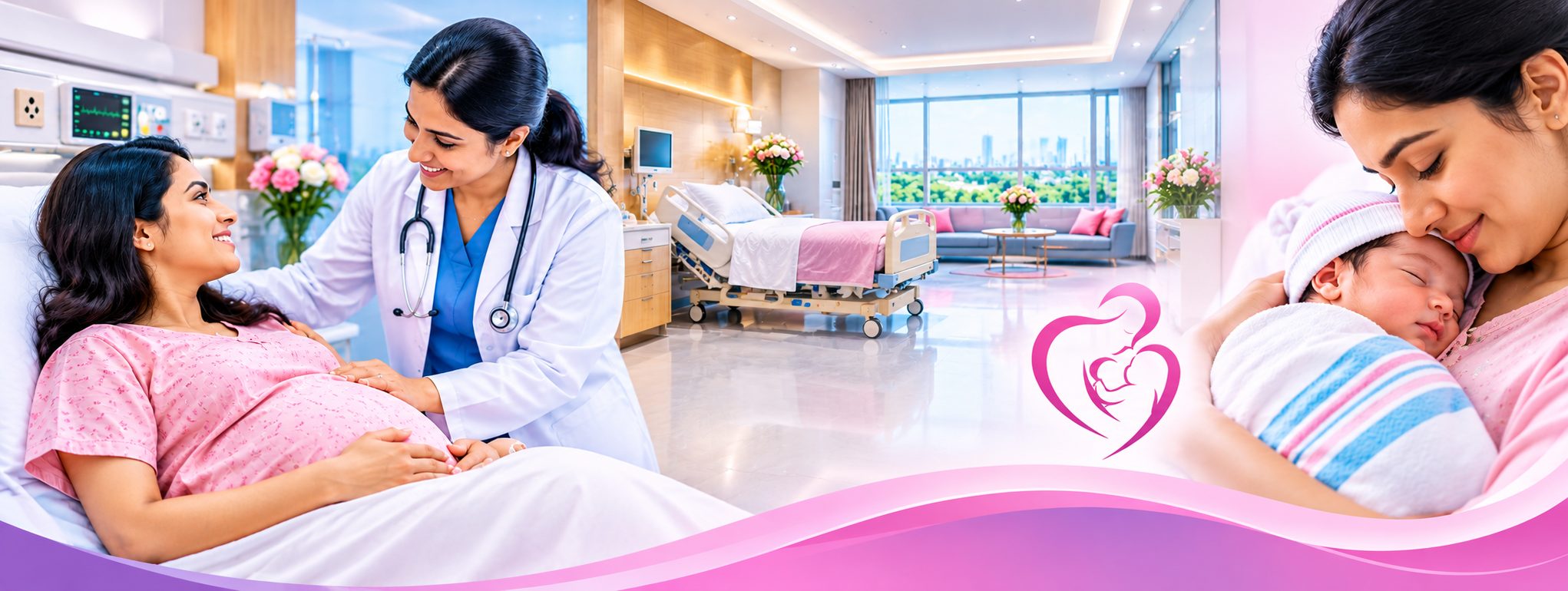
Normal Vaginal Delivery Doctors in Moosapet, Hyderabad

Choosing the right doctor for childbirth is an important step toward a safe and comfortable pregnancy journey. At Angel Wings Hospitals, expectant mothers can seek guidance for pregnancy monitoring, labour preparation, childbirth planning, and postnatal recovery. If you are searching for normal vaginal delivery doctors in Moosapet, Hyderabad, understanding your delivery options and receiving regular antenatal care can help you make informed decisions about your health and your baby's well-being.
Normal vaginal delivery is a natural childbirth process in which a baby is born through the birth canal. The appropriate delivery method depends on the mother's health, the baby's position, pregnancy progress, and any complications that may arise. The goal is to support a safe birth while respecting the mother's preferences and providing appropriate medical care throughout labour.
What Is Normal Vaginal Delivery?
Normal vaginal delivery is the birth of a baby through the vagina after labour begins and the cervix gradually opens to allow the baby to pass through the birth canal. Labour involves regular uterine contractions, cervical dilation, the birth of the baby, and the delivery of the placenta.
For many women with uncomplicated pregnancies, vaginal birth can be an appropriate delivery option. Nonetheless, each pregnancy is unique, and the ultimate choice should rely on a personal medical evaluation.
Normal vaginal delivery generally involves the following stages:
- First stage of labour: Uterine contractions help the cervix soften, thin, and open.
- Second stage of labour: Once the cervix is fully dilated, the mother pushes as guided by the maternity team to deliver the baby.
- Third stage of labour: After the baby is born, the placenta is expelled, and the healthcare team observes the mother for any signs of bleeding or other issues.
At Angel Wings Hospitals, mothers can discuss their birth preferences, labour expectations, and medical concerns with their maternity care provider to understand which delivery options may be suitable for them.
How Do You Pick Moosapet, Hyderabad, Normal Vaginal Delivery Physicians?
Choosing an obstetrician for childbirth involves more than selecting a doctor based on location. Expectant mothers should look for a qualified medical professional who understands their pregnancy history, explains treatment options clearly, and prioritises the safety of both mother and baby.
When selecting normal vaginal delivery doctors in Moosapet, Hyderabad, consider the following factors:
- Obstetric experience: Ask about the doctor's experience in managing routine pregnancies, labour, and childbirth complications.
- Regular antenatal care: Choose a provider who can monitor maternal health and the baby's development throughout pregnancy.
- Individualised birth planning: Discuss your preferences for labour positions, pain relief, and support during childbirth.
- Emergency preparedness: Confirm that the hospital has appropriate arrangements for urgent obstetric care and emergency caesarean delivery when required.
- Newborn care: Ask about newborn assessment, resuscitation facilities, and access to specialised neonatal care if necessary.
- Clear communication: Your doctor should explain examinations, investigations, treatment recommendations, and potential risks in understandable language.
- Postnatal support: Check whether follow-up care, breastfeeding guidance, and maternal recovery assessments are available.
Angel Wings Hospitals can be considered for discussing your maternity care requirements in Moosapet, Hyderabad. To verify the availability of obstetric services, appointment schedules, and birth facilities, get in touch with the hospital directly.
Who Is Eligible for Normal Vaginal Delivery?
Normal vaginal delivery may be suitable for many women with uncomplicated pregnancies. However, the length of the pregnancy or the mother's preference alone cannot determine eligibility. Before prescribing a birth plan, an obstetrician assesses the entire clinical circumstances.
Factors that may support consideration of vaginal birth include:
- The mother's general health is stable.
- The pregnancy has progressed appropriately.
- The baby is in a suitable position for vaginal birth, usually head-down.
- The birth canal is not blocked by the placenta.
- There are no significant maternal or fetal conditions that make vaginal delivery unsafe.
- Labour progresses appropriately and the baby tolerates it well.
Certain circumstances, such as placenta previa, some fetal positions, serious maternal complications, or signs of fetal distress, may require a different delivery approach. A previous caesarean delivery does not automatically rule out vaginal birth, but eligibility for vaginal birth after caesarean (VBAC) requires careful assessment.
The safest delivery method is the one that best protects the health of the mother and baby. No doctor can guarantee a normal vaginal delivery in advance.
What Pregnancy Care Is Needed Before Normal Delivery?
Antenatal care plays an important role in preparing for childbirth. Regular consultations allow healthcare professionals to monitor pregnancy progress, identify potential complications, and provide guidance for labour and recovery.
Expectant mothers should follow a pregnancy care plan recommended by their doctor. Important aspects include:
1. Regular Antenatal Check-ups
Keep track of your weight, blood pressure, pregnant symptoms, and other pertinent health indicators by showing up for your planned appointments. Your doctor may recommend additional visits depending on your medical history and pregnancy stage.
2. Ultrasound Scans and Pregnancy Investigations
Ultrasound scans and laboratory tests may be recommended to assess fetal growth, placental location, gestational age, and maternal health. The timing and number of investigations depend on individual clinical needs.
3. Balanced Nutrition
Eat a varied, nutritious diet containing appropriate sources of protein, vegetables, fruits, whole grains, and other essential nutrients. Follow your doctor's advice regarding iron, folic acid, calcium, or other supplements.
4. Appropriate Physical Activity
If your pregnancy is uncomplicated and your doctor approves, suitable activities such as walking and pregnancy-specific exercises may support general fitness. Avoid activities that your healthcare provider advises against.
5. Managing Existing Health Conditions
Conditions such as diabetes, high blood pressure, thyroid disorders, and anaemia may require closer monitoring during pregnancy. Appropriate management helps reduce the risk of complications.
6. Birth Preparation and Education
Learn about newborn care, hospital admission protocols, breathing techniques, pain treatment alternatives, and labour symptoms. Discuss any concerns with your obstetrician before your due date.
What Indicates the Beginning of Labour?
Recognising the signs of labour can help expectant mothers seek medical attention at the right time. Labour symptoms may differ from one pregnancy to another, and some early symptoms can occur before active labour begins.
Common signs include:
- Regular contractions: Tightening of the uterus that gradually becomes stronger, longer, or more frequent.
- Lower back discomfort: Pain or pressure that may occur along with contractions.
- Mucus discharge or a show: Thick mucus, sometimes mixed with a small amount of blood, as the cervix begins to change.
- Water breaking: A gush or continuous trickle of fluid from the vagina when the membranes rupture.
- Pelvic pressure: Increasing pressure as the baby moves lower into the pelvis.
Contact your maternity care provider if you think labour has started or are unsure about your symptoms. Seek urgent medical assessment for heavy vaginal bleeding, reduced fetal movements, severe or constant abdominal pain, or suspected labour before 37 weeks. If your water breaks, contact your maternity team promptly, even if contractions have not started.
Do not wait for contractions to become regular if you have warning signs that require immediate assessment.
How Is Normal Vaginal Delivery Managed at Angel Wings Hospitals?
A positive childbirth experience begins with clear communication, appropriate preparation, and a care plan based on the mother's medical needs. At Angel Wings Hospitals, expectant mothers can enquire about the maternity care pathway and discuss their delivery preferences with the hospital's healthcare team.
The general clinical process for vaginal birth may involve the following steps:
Pregnancy Assessment
The obstetrician reviews the mother's pregnancy history, previous deliveries, current symptoms, investigation results, and any medical conditions that could affect childbirth.
Labour Assessment
When labour begins, the maternity team assesses contractions, cervical changes, the baby's position, and the mother's condition to determine the appropriate next steps.
Monitoring During Labour
Maternal vital signs, labour progression, and fetal well-being are assessed at intervals appropriate to the clinical situation. Continuous electronic fetal monitoring may be recommended when specific concerns arise.
Pain Relief and Emotional Support
Pain-management options may include breathing and relaxation techniques, movement and comfortable positions, supportive care, and medication or epidural analgesia when available and appropriate. Discuss the options and their suitability with your doctor.
Birth and Immediate Newborn Care
During the birth, the clinical team guides the mother through pushing when appropriate and monitors the baby's condition. After delivery, the team assesses the newborn and the mother, manages the delivery of the placenta, and checks for excessive bleeding.
These are general steps in vaginal birth, not a guarantee that every delivery will follow the same course. Contact Angel Wings Hospitals to confirm its current maternity protocols, available pain-relief options, and emergency arrangements.
What Are the Benefits of Normal Vaginal Delivery?
When vaginal birth is medically appropriate, it can offer several potential benefits compared with caesarean delivery. The advantages vary according to the mother's health, pregnancy history, and labour circumstances.
Potential benefits include:
- Avoiding abdominal surgery: Vaginal birth does not normally require the abdominal and uterine incisions involved in a caesarean section.
- Potentially shorter recovery: Many women recover their mobility sooner after uncomplicated vaginal birth, although recovery differs between individuals.
- Shorter hospital stay in many cases: Discharge may occur sooner after an uncomplicated vaginal delivery, depending on the mother's and baby's condition and hospital policy.
- Early mother-baby contact: Skin-to-skin contact and breastfeeding can often begin soon after birth when both are medically stable.
- Fewer surgery-related risks: Vaginal birth avoids certain risks associated with abdominal surgery and anaesthesia.
Vaginal delivery can also involve perineal tears, bleeding, pelvic floor symptoms, or other complications. It is not automatically the safest option in every pregnancy. Your obstetrician can explain the potential benefits and risks of vaginal birth and caesarean delivery for your individual circumstances.
Is Painless Normal Delivery Possible?
Painless delivery commonly refers to vaginal childbirth with medical pain relief, particularly epidural analgesia. An epidural involves administering anaesthetic medication near the nerves in the lower back to reduce labour pain.
Although an epidural can provide substantial pain relief, it may not remove every sensation completely. Its suitability depends on the mother's medical condition, clinical assessment, and the availability of an appropriately trained anaesthesia team.
Other approaches that may help manage labour discomfort include:
- Controlled breathing and relaxation.
- Changing positions and gentle movement when appropriate.
- Massage and continuous emotional support.
- Medical pain-relief options recommended by the maternity team.
Women considering painless delivery in Moosapet, Hyderabad, should ask Angel Wings Hospitals whether epidural analgesia is available, what assessments are required, and how anaesthesia support is arranged during labour.
What Happens if Normal Delivery Is Not Possible?
A vaginal delivery plan may need to change if labour does not progress safely or a complication develops. A caesarean section may be recommended when it offers a safer outcome for the mother, baby, or both.
Reasons for considering a caesarean section may include:
- Fetal distress or concerns about the baby's well-being.
- Placenta previa or certain other placental complications.
- An unsuitable fetal position.
- Labour that does not progress despite appropriate management.
- Serious maternal health concerns.
- Other obstetric complications identified during pregnancy or labour.
When circumstances permit, the doctor should explain why a change in the delivery plan is recommended and discuss the available options. In an emergency, immediate intervention may be necessary to protect the mother and baby.
A caesarean delivery should not be viewed as a failure. The priority is a safe birth, even when the final method differs from the original plan.
What Postnatal Care Is Needed After Vaginal Delivery?
Care continues after the baby is born. Postnatal assessments help identify complications, support physical recovery, and address the emotional and practical needs of new parents.
Important aspects of postnatal care include:
- Bleeding and uterine recovery: Seek medical guidance about expected bleeding and report heavy bleeding or large clots.
- Perineal care: Follow instructions for hygiene and pain management if stitches or tears are present.
- Breastfeeding support: Ask for help with positioning, attachment, feeding frequency, and concerns about milk supply.
- Rest and nutrition: Eat balanced meals, drink sufficient fluids, and rest whenever possible.
- Emotional well-being: Discuss persistent sadness, anxiety, overwhelming distress, or difficulty coping with a healthcare professional.
- Follow-up appointments: Attend recommended maternal and newborn check-ups.
Seek urgent care for severe headache, breathing difficulty, chest pain, fainting, fever, severe abdominal pain, or heavy bleeding after delivery. Newborn feeding difficulties, breathing problems, unusual lethargy, or other concerning symptoms also require prompt medical assessment.
Why Consider Angel Wings Hospitals in Moosapet, Hyderabad?
Selecting a maternity care provider close to home may help families attend regular pregnancy appointments and plan for hospital access when labour begins. Angel Wings Hospitals is located in Moosapet, Hyderabad, making it a local option for expectant mothers researching maternity services.
Before choosing a hospital for normal vaginal delivery, ask the team about:
- Antenatal consultations and pregnancy monitoring.
- Obstetrician availability during labour.
- Labour room facilities and fetal monitoring.
- Pain-relief options during childbirth.
- Emergency caesarean delivery arrangements.
- Newborn assessment and access to specialised neonatal care.
- Postnatal consultations and breastfeeding support.
- Maternity packages, inclusions, and additional charges.
Confirm these services directly with Angel Wings Hospitals rather than assuming that every facility or service is available at all times. A consultation can help you understand your pregnancy care options and make a delivery plan suited to your needs.
Frequently Asked Questions
Which doctors should I consult for normal vaginal delivery in Moosapet, Hyderabad?
Consult a qualified obstetrician-gynaecologist who provides pregnancy monitoring and childbirth care. At Angel Wings Hospitals, contact the hospital to enquire about available obstetric consultations, doctor qualifications, appointment schedules, and maternity services.
Can every pregnant woman have a normal vaginal delivery?
No. Vaginal delivery is suitable for many women, but the safest method depends on maternal health, fetal position, placental location, pregnancy history, and labour progression. Your obstetrician will assess your individual circumstances.
How can I improve my chances of normal vaginal delivery?
Attend antenatal appointments, follow your doctor's advice, manage existing medical conditions, maintain suitable nutrition and activity, and learn about labour preparation. These measures support a healthy pregnancy but cannot guarantee vaginal birth.
Is normal vaginal delivery safer than a C-section?
Neither method is universally safer for every pregnancy. Vaginal birth may avoid surgery-related risks, while a caesarean section may be the safest option for particular complications. The recommended method depends on the clinical situation.
Can I have a normal delivery after a previous C-section?
Some women may be eligible for vaginal birth after caesarean, known as VBAC. Suitability depends on factors such as the previous uterine incision, pregnancy history, current pregnancy, and the hospital's ability to provide emergency care.
How long does normal vaginal delivery take?
Labour duration varies. A first labour may take longer than subsequent labours, and early labour can last many hours. Your doctor assesses labour progression rather than relying on a fixed duration for every woman.
Is epidural pain relief available for normal delivery?
Epidural analgesia can reduce labour pain, but availability and suitability depend on the hospital's facilities, anaesthesia team, and the mother's medical condition. Ask Angel Wings Hospitals directly about current availability.
When should I go to the hospital during labour?
Contact your maternity care provider when contractions become regular or you suspect labour has started. Seek immediate assessment for heavy bleeding, reduced fetal movements, severe constant pain, or suspected preterm labour. Contact your provider promptly if your water breaks.
What tests are needed before normal vaginal delivery?
The required assessments depend on the pregnancy. They may include blood tests, blood pressure checks, ultrasound scans, fetal growth assessment, and other investigations based on clinical indications.
Does normal vaginal delivery require stitches?
Not always. Some women have no tears, while others may develop tears or require an episiotomy for specific clinical reasons. If stitches are needed, the doctor or maternity team will explain the care required during recovery.
How soon can I breastfeed after vaginal delivery?
If the mother and baby are stable, skin-to-skin contact and breastfeeding can often begin soon after birth. The maternity team can assist with positioning and attachment and address feeding difficulties.
How do I book a maternity consultation at Angel Wings Hospitals?
Contact Angel Wings Hospitals in Moosapet, Hyderabad, to ask about obstetrician appointments, antenatal care, delivery planning, consultation fees, and available maternity services. Confirm the appointment and any required medical records before visiting.